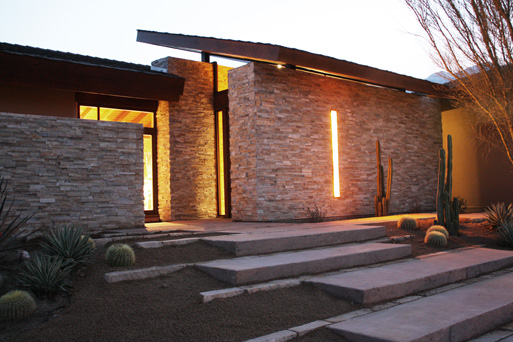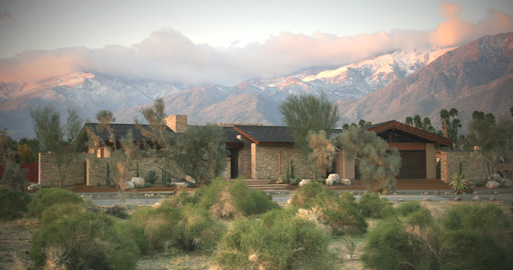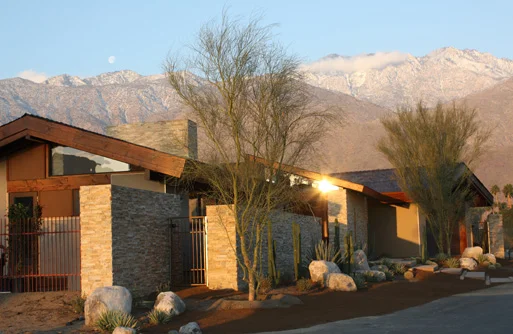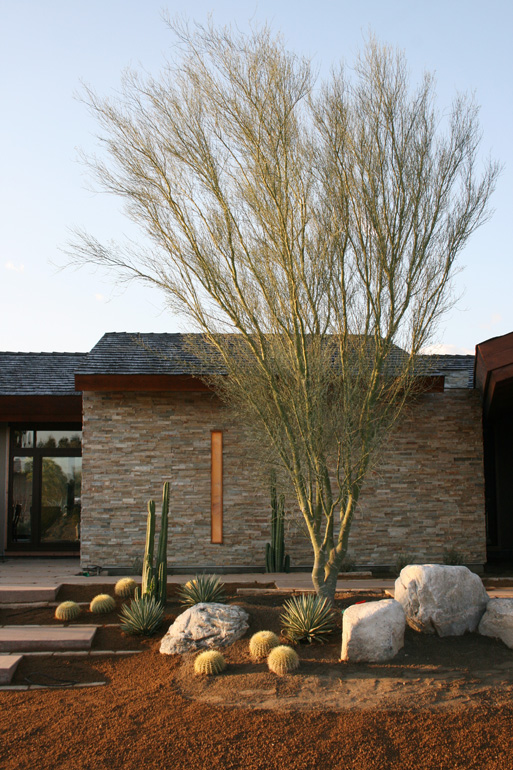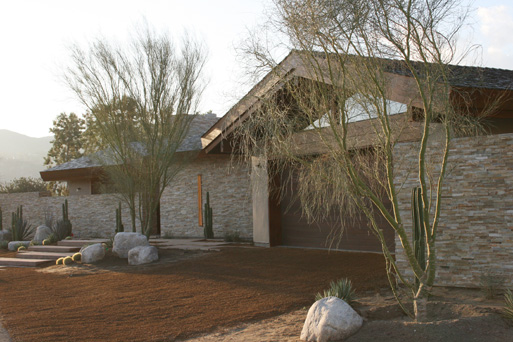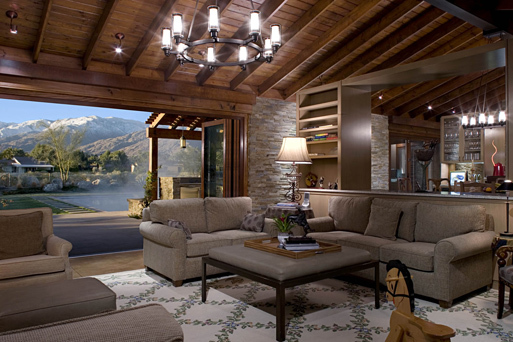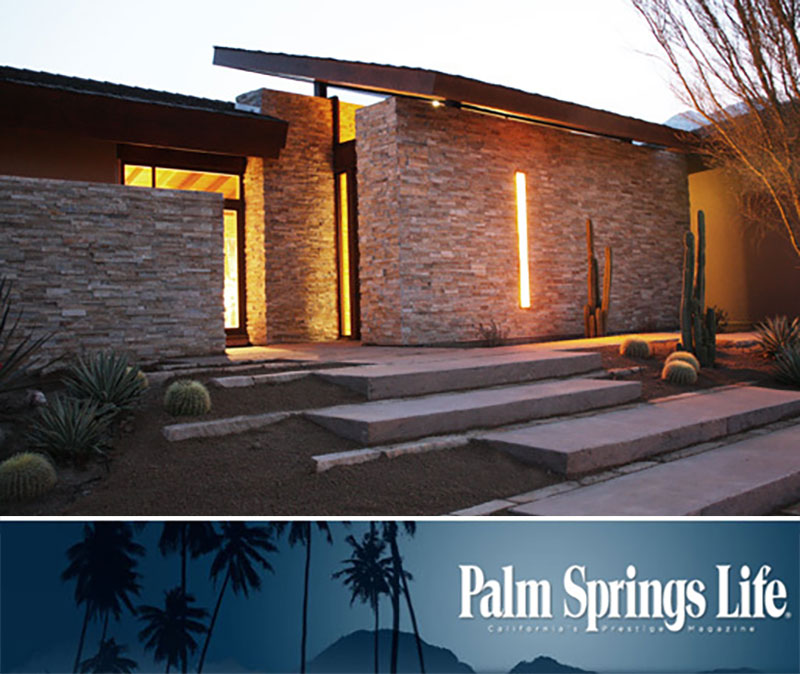
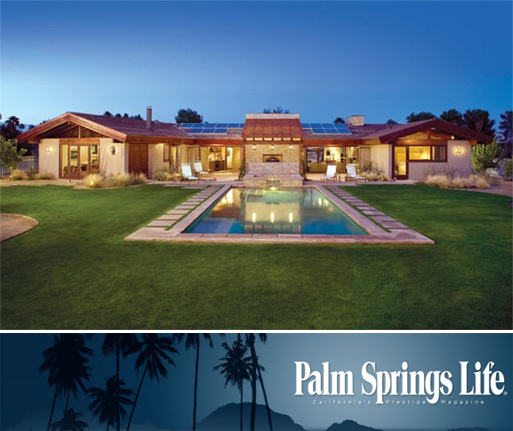
The most effective way to promote energy efficiency is to design a house that takes full advantage of natural light, passive solar energy, shading, cross-ventilation, and efficient space planning. Doing so — by studying sun angles, prevailing winds, and general site orientation — reduces the overall energy load required to live comfortably.
Read MorePalm Springs: Smoke Tree Ranch
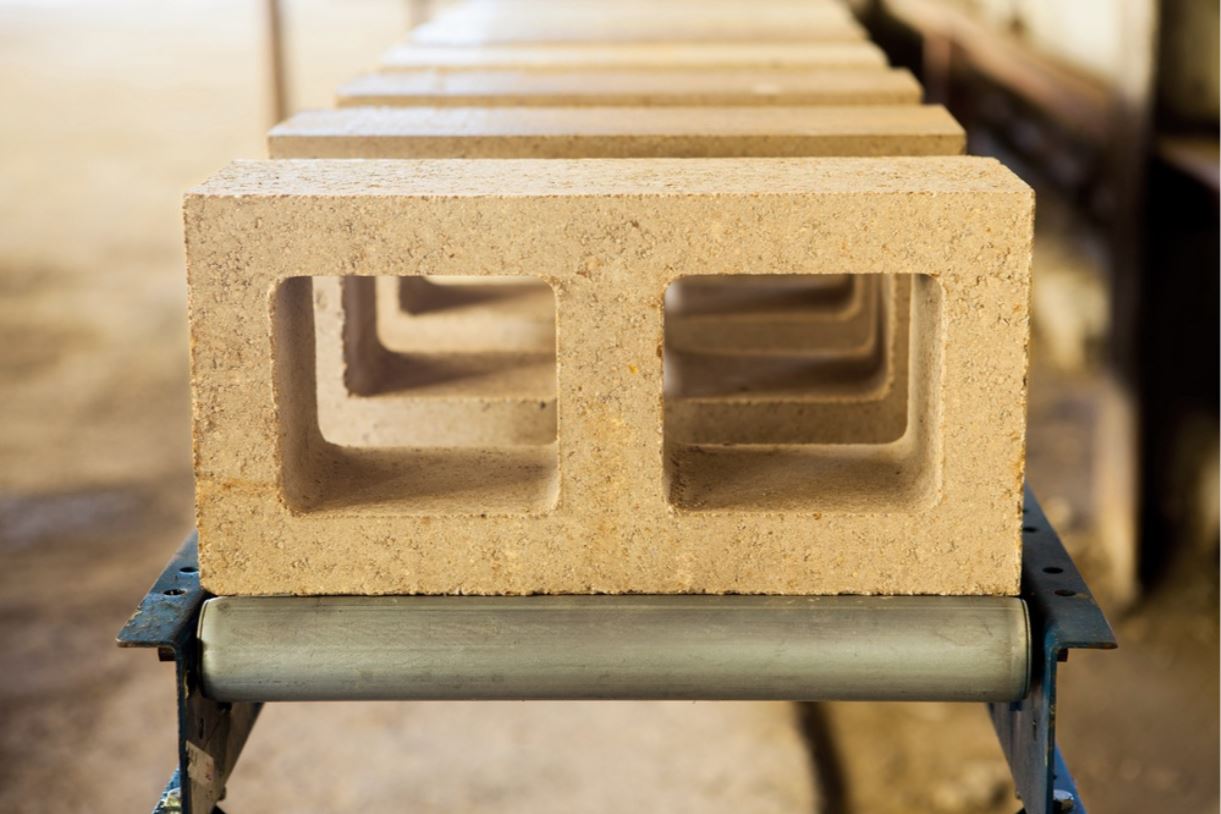
Material Spotlight: Watershed Block from Rammed Earth
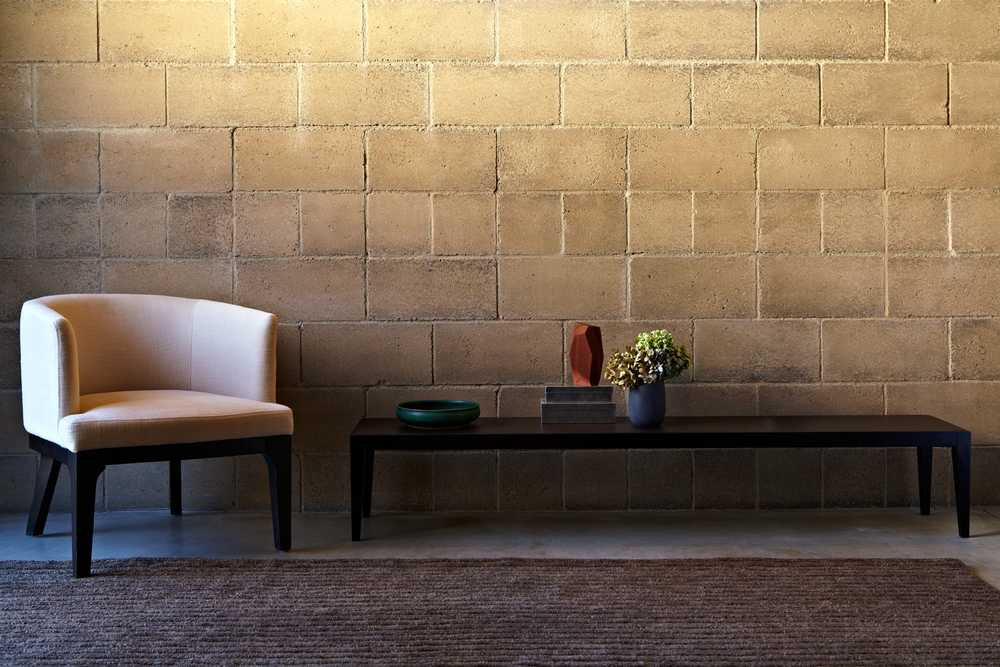
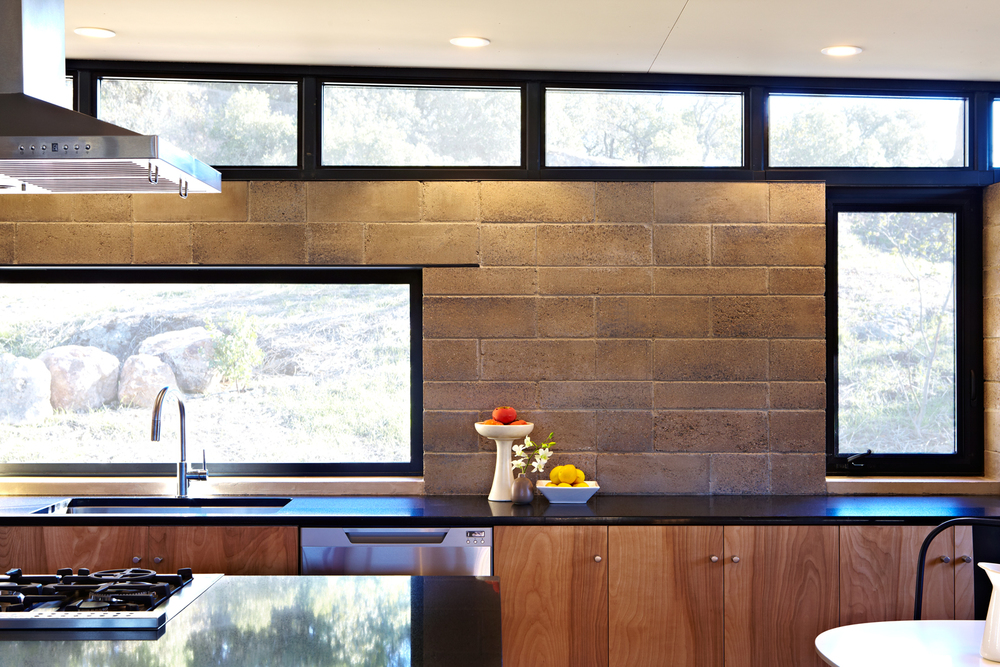
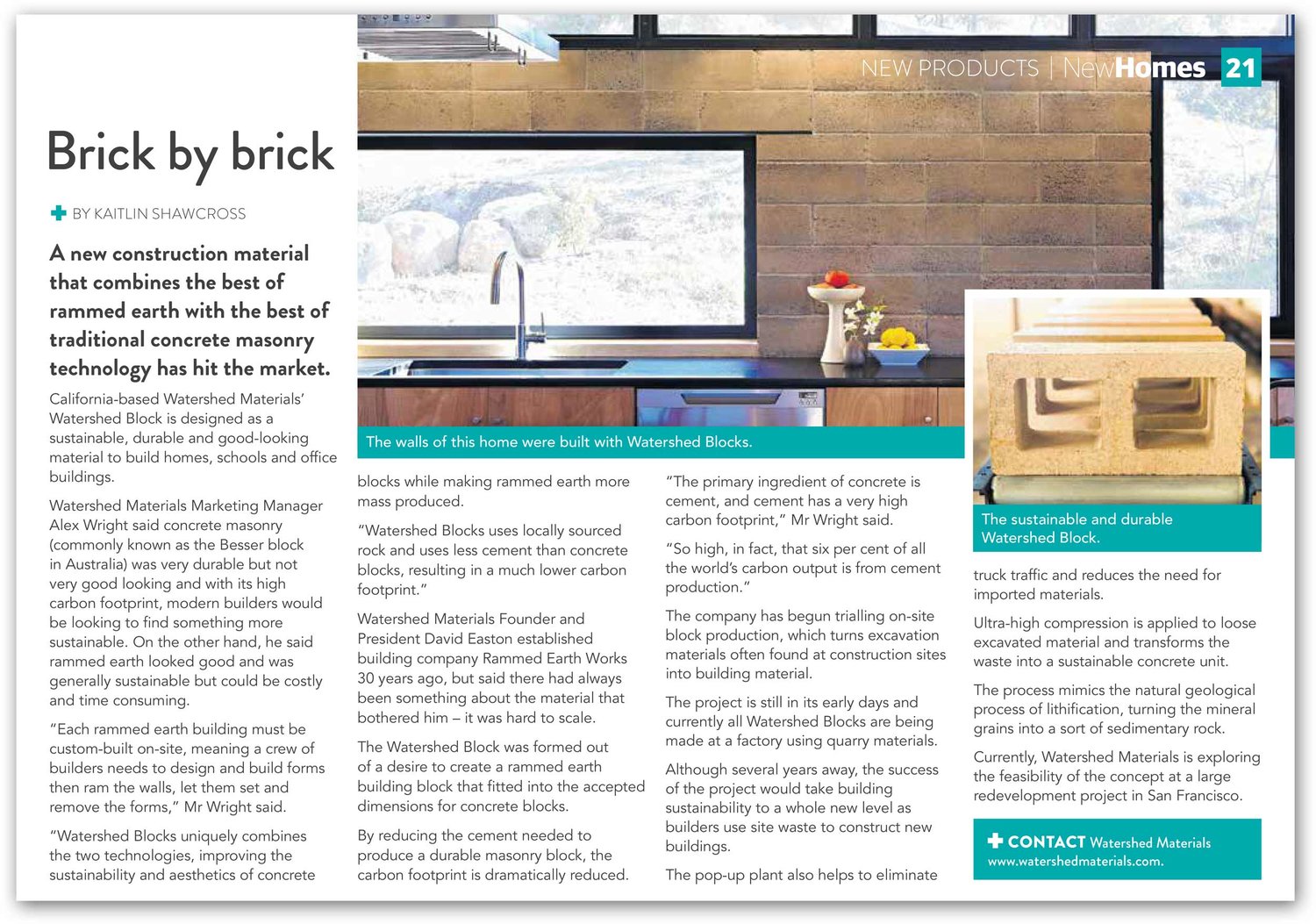
Cement has a giant carbon footprint and is the most expensive component in concrete masonry. But, what would you say if somebody could deliver a cementitious product with 50% less cement and a 65% reduction in embodied energy? Though that does sound like a snake-oil salesman, we've been floored by a new product by Watershed Materials called Watershed Block.
Read MoreMaterial Spotlight: Shou-Sugi-Ban (charred wood)
Shou-Sugi-Ban or yakisugi is the traditionally Japanese technique of charring cedar boards for use in siding, decking and fencing projects. Modern applications of the centuries old craft are making a resurgence in the US and strong statement in the Pacific Northwest. This process of burning and wire brushing wood planks was originally used to replicate the natural weathering process of driftwood in Japan. Dating back to the 18th-century, the Shou-Sugi-Ban method enhances the materials performance and beauty by sealing the woods pores and deepening the color.
Read MoreLittle House in the City: Designing Small Within City Limits
Marc Vassallo’s book “Little House in the City: Designing Small Within City Limits”, explores urban homes and ADU’s as a smart response to demographic trends. As cities continue to swell, some individuals are taking a new approach to housing by decreasing square footage and adding attached dwelling units. The appeal of smaller homes touches on the pressing issues of affordability, sustainability and conviviality.
Read More